

Complimentary Education
Pro-Active Adventure provides bespoke and flexible packages of Complimentary Education and pupil inclusion that are an inspirational adaptation of outdoor education that offers SEND, EOTAS and ALN pupils opportunities to achieve, develop confidence and self esteem, through hands on learning in the outdoor environment. Pro-Active does what it says on the tin: It is a pro-active learning experience that is not separate from learning in a traditional classroom or school ground environment but is entirely complimentary to it and part of it. We operate throughout Wales, Gloucestershire and Cheshire.
Sessions are timetable led but are driven by the pupils learning needs, drawing on their interests and sense of adventure. Through carefully structured sessions with supportive and qualified instructors. Pro-Active Adventure can bring the joy of learning back to disaffected learners.

Pupil Inclusion & Complimentary Education: Field Studies
What Awards & Qualifications Do We Provide:

Pupil Inclusion & Complimentary Education: Learning
• ASDAN Bronze and Silver in outdoor sports
• AOPE and COPE under ASDAN
National Governing Body Awards:
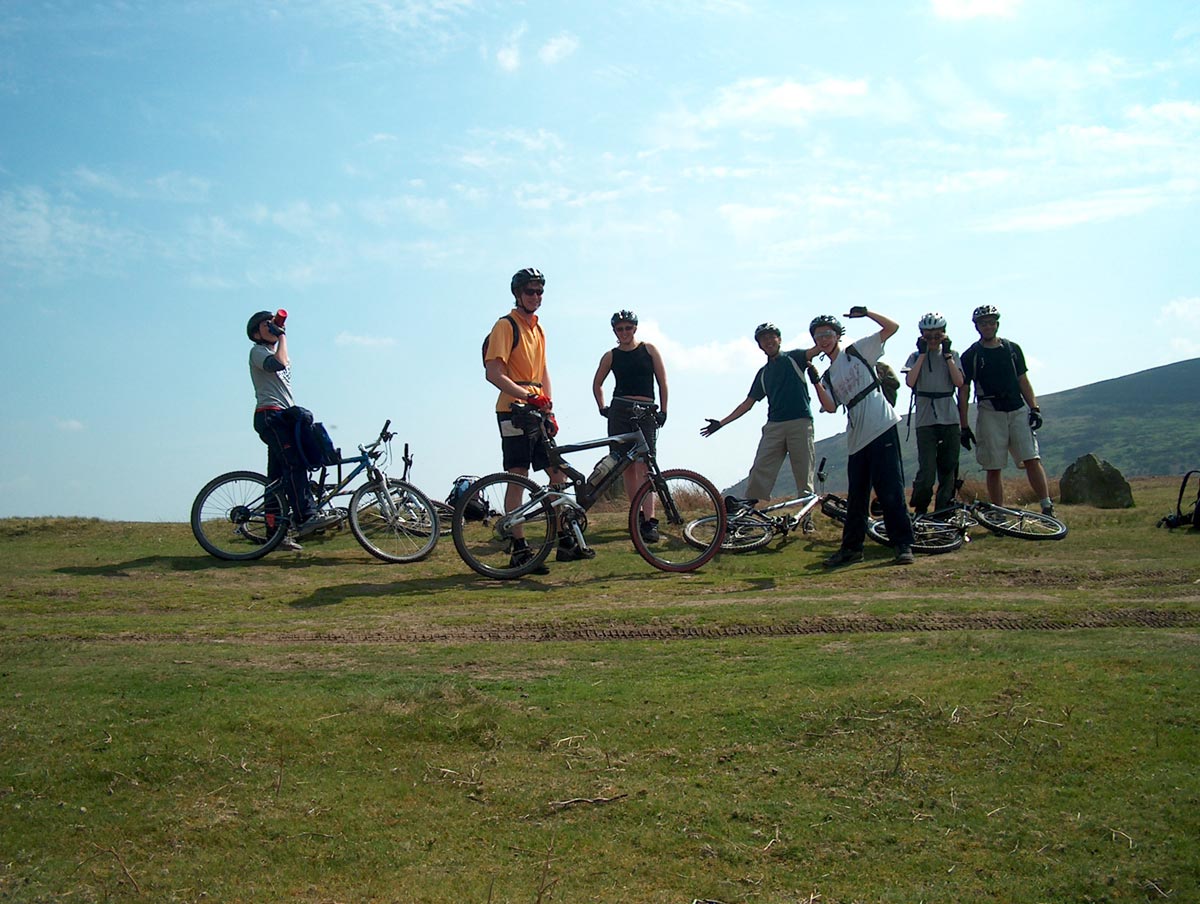
• Mountain Biking, Gears Awards 1 – 6
• Mountaineering, NNAS Awards Bronze – Gold
• Climbing, NICAS Awards 1 – 5
• Canoeing, Paddle Power Awards 1 – 4
In addition we offer a number of short 10 hour PSHE courses under the ASDAN scheme such as:
• Conflict Resolution
• Personal Wellbeing
• Economic Wellbeing
• Drug & Alcohol Awareness
• Sex & Relationships
National Governing Body Awards (NGBs) are awards that are designed, moderated and awarded by the governing bodies of the various outdoor sports. Some qualify students to progress directly to assessment (Without the training phase) as an instructor once they are 18 years of age. NGBs are a very worthwhile award gaining as it is a valuable employment tool, or as learning evidence to support collage applications.
Who Do We Work With:

Pupil Inclusion & Complimentary Education: Learning Together
• Pupils that have been permanently excluded or those that have a fixed term exclusion.
• Pupils that are at risk of exclusion.
• Pupils that lack confidence in class and need a confidence boost.
• Pupils who are school phobic.
• Young people who are NEET or who are at risk of NEET.
• SEND pupils and those who have a EHCP.
• Pupils who are difficult to reach.
• ALN pupils.
• Socially or economically disadvantaged young people.
• Pupils who have a projected low academic achievement.

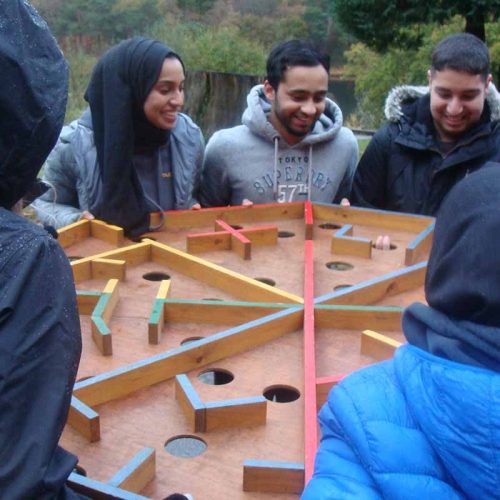
Pupil Inclusion & Complimentary Education: Team Work
Complimentary Education Support Packages:
Support packages are developed to meet the individual learning needs of each pupil. We employ outdoor education and activities to engage pupils in our support packages. Following the referral process, (See below) we will discuss with the placing agency the individual education plan. This will cover such issues as the number of days that the pupil will attend, the duration of the placement. Paramount will be to define what the educational aims of the placement are. Will we be aiming to achieve a selection of National Governing Body Awards in outdoor sports or will we be focusing on an ASDAN in outdoor sports. For the reluctant and disaffected learner we have an award that employs practical learning skill rather then academic learning skills. This award is know as ACE (Activity Centred Education). The purpose of this award path is to enable the pupil to learn the feeling of success again and encourage them to try more academic awards such as the national governing body awards or ASDAN.
- Pupils can attend from 1 day per week and up to 3 days per week.
- Duration of a placement is flexible to meet the educational needs of the pupil. Placements can be as short as 3 weeks to a complete academic year, or in some cases longer.
- At the start of a placement an individual education programme of awards and qualifications will be designed that we feel can be completed within the duration of the placement. The plan is tracked and reviewed every half term to ensure we are all still on target.

Pupil Inclusion & Complimentary Education: Challenge
The Referral Process and Initial Sessions:
Pupils are sometimes referred directly from schools but usually they are referred by a local authority panel or pupil inclusion officer. Single or multiple referrals can be made. We will send a simple referral form that asked basic information regarding educational and behavioural needs, and contact information on any other agencies involved. Sessions roughly follow normal school hours, and the referrer will decide how many sessions per week are needed. However we have found that more than two sessions per week is generally counter productive. Pupils generally work in groups of no more than five, all from the same geographic location, or more usually school.
Once this is received a visit to the pupil’s home is made by a senior member of Pro-Active staff to discuss the programme and answer any questions the pupil and parent/carer may have. We will ask the parent or person with parental responsibility to sign a consent form and then the sessions can begin.
The initial sessions are spent trying a selection of activities to find the activities which are most successful in engaging the pupils. During this period the team will also be looking at team dynamics and relationships to inform an individual support plan. The team meet every half term to review the plan and make changes as necessary, and progress reports are produced at the end of every term.
Depending on the length of placement on the programme an appropriate award or qualification will be engaged with. Pupils with up to 15 sessions the Bronze ASDAN is usually started, up to 30 weeks then we will move on to the Silver. For longer periods of time, generally the whole academic year, either the Gold ASDAN can be followed or the level 2 BTEC in adventure sports. Other options are the Duke of Edinburgh’s Award, COPE or AOPE qualifications.
Towards the end of a pupil’s stay on the programme a key worker will be allocated to either support the pupil’s reintegration back into school, or to develop a pathway plan into further education, training or employment.
Pro-Active Adventure has over 10 years experience of working in pupil inclusion across several counties of Wales and some in England. We believe that we are very experienced and resourced to support “Positive Outcomes For Young People” For further details either call us or visit our contact page on our web site.
Risk Taking:
Pro-Active Adventure provides the opportunity for both SEN pupils and ALN pupils to take measured risks. Obviously the pupil’s welfare and safety is paramount. Rules are set out by instructors to minimise risk. The rules are however routinely revisited every session at appropriate times so that pupils can recognise risk, why the rules are necessary, and learn how to be safe in the outdoor environment. Over the duration of their course they begin to subconsciously assess their actions for themselves. Thus enabling them to explore and discover independently while making informed decisions about how to deal with unfamiliar situations and challenges. This awareness of risk can then be transferred to everyday living which is an invaluable skill for life.
Stretched Learning:
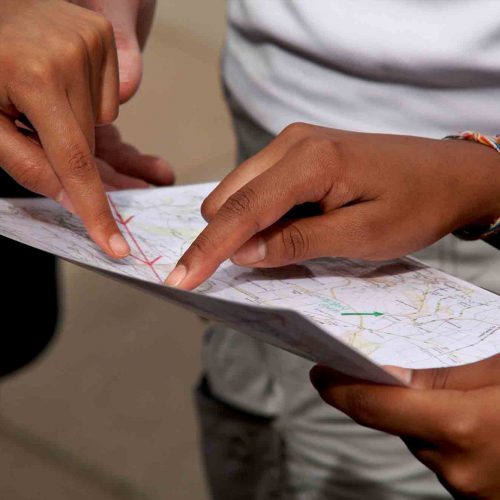
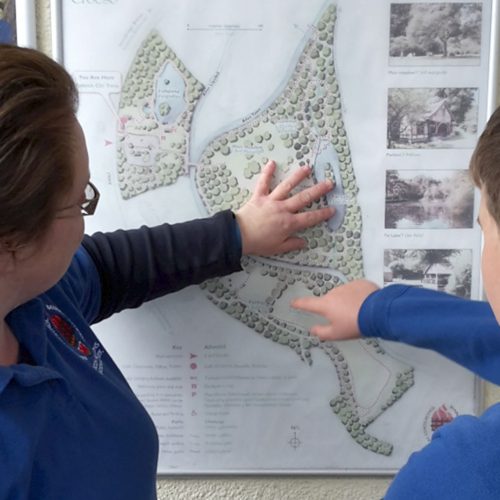
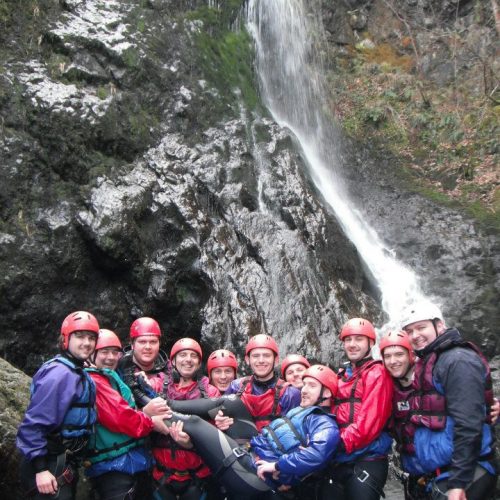
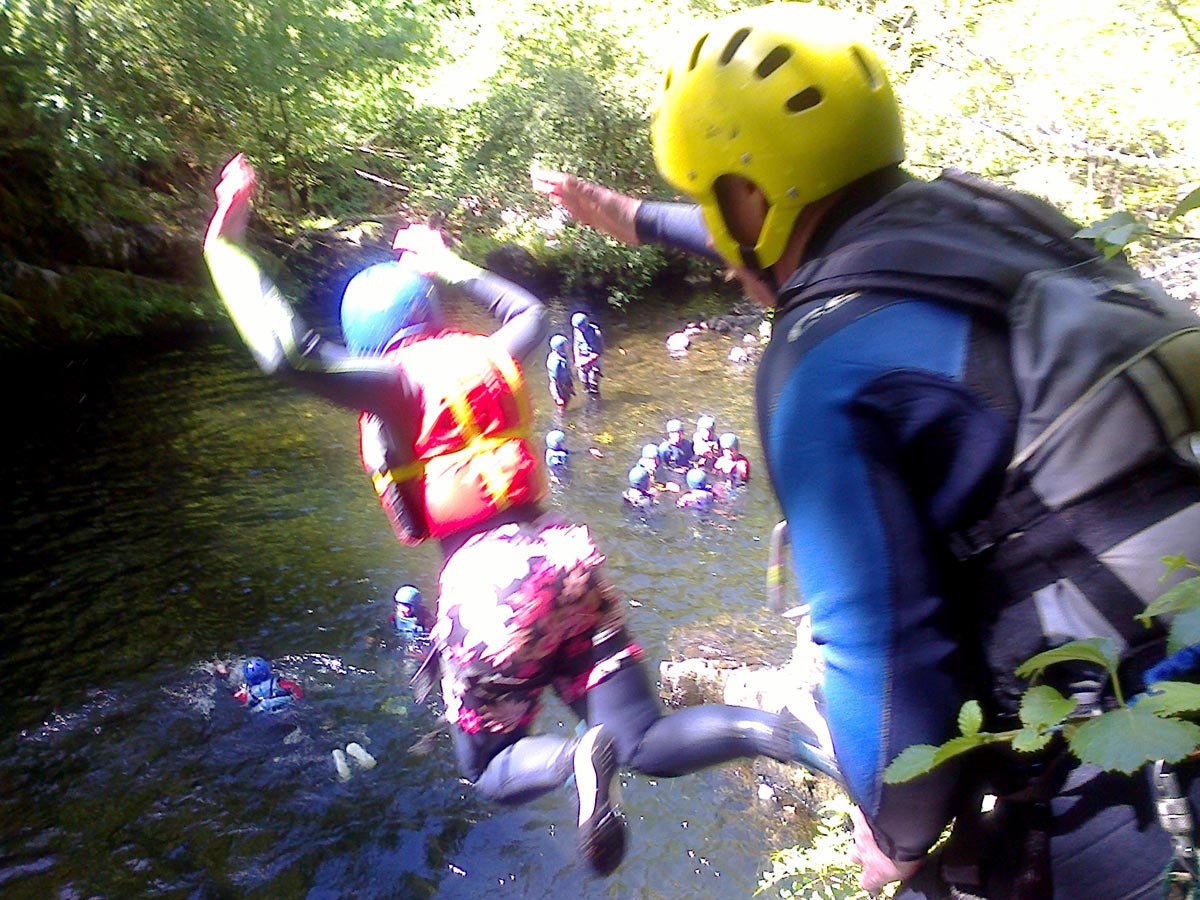
High instructor to pupil ratios ensure that pupils can stretch the boundaries of their learning and enable them to take the risk of learning that they may not otherwise be able to take in school, for instance, supporting one of their peers through an obstacle in a white water stream, or operating a belay system to support a peer on a climb up the rock face. Smaller group sizes also mean pupils have more time and support to try and master more complicated tasks such as route planning and navigating. With adults and instructors standing by to support and encourage if needs be, there is less fear of failing and more confidence to stretch their learning boundaries. Sessions are held in all but extreme weathers so over time a greater mental and physical resilience to the outdoors is developed.
What Are The Benefits Of Outdoor Education:
Much research has been carried out into the effects of outdoor education. A great deal of it indicates the benefits to disaffected teenagers and learners that struggle in the formal classroom and learning environment. Recent research has shown that outdoor education can have significant benefits for both SEN pupils and ALN pupils alike whether they are in mainstream education or not. Some benefits identified were:
- Increased Self Esteem and Confidence
- Improved Social Skills
- The Development of Language and Communication Skills
- Improved Motivation and Concentration
- Improved Physical Motor Skills
- Greater knowledge and Understanding of The Environment

Shared Experience
Increased Self Esteem And Confidence:
An improvement in self esteem and confidence is demonstrated by a ALN pupils willingness to try something new and feeling pleased with their personal achievements. Noticeable increases in self –confidence have been displayed in many pupils during our programmes. Pupils have been observed taking on new tasks effectively without asking for assistance and socialising more comfortably with their peers, particularly the pupils that were more timid at school.
Instructor & Leader Qualifications:
All instructors hold multiple National Governing Body qualifications for the sports they lead. They also have at least three years post qualification experience. They are also trained in Child Protection, Dealing With Disclosure and Behaviour Management. On the team we also have qualified teachers, counsellors and social workers.
Improved Social Skills:
During the course we have observed SEN pupils develop an increase in awareness of the consequences of their actions on other pupils, and then choosing not to follow a negative course of action. They have also acquired ability to undertake activities with others sharing equipment and tasks to achieve a common goal. Teachers have noticed strong teamwork developing, and successful partnerships were formed during our courses between pupils who previously had not been able to work successfully together in the classroom.
Development Of Language And Communication Skills:
ALN pupils have been noticed to develop more sophisticated use of both written and spoken language. This is promoted by the greater visual and other sensory experiences of a pupils taking part in adventurous activities.
Many pupils were quiet and reserved with unfamiliar adults around them in the early sessions. However, gradually as the programme progressed these pupils became willing to share ideas and feelings with the instructors and others in the group.
Improved Motivation And Concentration Skills:

Support
A number of SEN pupils are already motivated to join such a project as ours and experience the challenges on offer. However even the most reluctant pupil seems to develop a keenness to participate in exploratory learning and new activities as the programme develops. An ability to stay focused on tasks has also been observed, even in pupils who have been described as having low concentration levels. We have found that the less formal and practical situation suited them.
Improved Physical Motor Skills:
The physical skills employed during movement around outdoor activity venues and the participation in outdoor education promotes the development of stamina and gross motor skills. Fine motor skills are also developed through the use of specialist equipment necessary for outdoor education. Recently we observed an ALN pupil who found it very difficult to walk on uneven surfaces such as mountain trails and forest tracks. He had just joined the project and had only been used to walking on pavements and hard surfaces. After only four weeks he was happily tackling quiet technical gorge walks with confidence.
Greater Knowledge and Understanding of The Environment:

Bush Craft
Working and taking part in activities in the natural environment helps to promote a respect for the environment and an interest in their natural surroundings. For pupils who are on the project for a long time, completing a BTEC level 2 for instance, they will make observations and insights into seasonal change and will be able to identify different species of flora and fauna. In particular, one group enjoyed the smell of fresh wild garlic in spring. Many teachers have commented on pupils increased awareness of wildlife and their environments.
Further Information, Underpinning Theory:
It is generally accepted that a young person’s level of self-esteem is shaped directly by their experiences whilst growing up. Furthermore there seems to be a strong correlation between young people who currently have difficulties with relationships, school, the law and other similar social issues and a low level of self-esteem. The development of a healthy self-concept can be considered as a vital element of an individual’s personal growth. It will continue to be an influence throughout their lives and will provide a foundation on which their life and future experiences will be built. Coppersmith (1967) assessed hundreds of nine to ten year olds levels of self-esteem. He found that individuals with high levels of self-esteem were more confident about their own perceptions and judgements. They also expected to succeed at new tasks and were more ready to express their opinions. They were also doing better at school and were more often chosen as friends by other children, compared with those with low self-esteem. Children with high self-esteem were also found to have a more realistic view of themselves and their abilities; they were not worried about criticism and enjoyed participation. In contrast, children with low self-esteem were isolated, fearful, reluctant to join in, self-conscious, over-sensitive to criticism, constantly underrated themselves and tended to under achieve in school.
Adrienne Katz (1999) reported a further link between low self-esteem and emotional and behavioural difficulties recently in The Sunday Times, “Self-esteem levels are key to the future for a teenager. How they feel about themselves affects friendships, their approach to the new and unknown, and whether or not they are prepared to take the risk of learning, which possibly involves revealing a level of ignorance or making mistakes. A high self-image helps an individual to resist pressure from others, so there is no need to store up confidence by bullying.” Katz further reports that boys with low self-esteem seem more vulnerable to difficulties. She found 70% of boys showing low levels of self-esteem fell into one or more of the following categories: depressed, suicidal, in trouble with the law or alienated from school.
It has been shown that planned interventions can raise the level of self-esteem within individuals. However this proof mainly comes from the United States.
Researchers from the University of Idaho U.S.A. have carried out a Meta analysis on research-based literature concerning adventure programmes, during which 187 pieces of research work were examined. Findings supported the notion that participation in adventure experience programmes resulted in positive benefits such as enhanced self-esteem and a sense of personal control. This is a very comprehensive analysis of research looking at the effects of adventure courses. There is nothing like this level of research in the UK at the current time.
“Adventure based education is an innovative approach to teaching a secure sense of self, developing personal responsibility, and acquiring coping and communication skills. Furthermore, evidence shows that the rich experiential environments provided by adventure programmes facilitate effective transfer into everyday life, with growth continuing well after the immediate “buzz” of the programme.“ (Hattie et al 1997).
Our aim is to provide a meaningful development experience for young people with an underlying emphasis on increasing self-esteem. We will also openly explore communication, trust, giving and receiving support, risk taking, and how behaviour affects others around you. This will be carried out with a mixture of outdoor adventurous activities and development techniques incorporated in to a dynamic, interesting and fun course. We aim to unlock young peoples potential through challenging experiences in a supportive group environment. The staff has a supportive and structured approach that will set achievable challenging tasks, emphasizing personal responsibility and self care as the course develops. They will provide a safe environment in which the young people will experience control and a sense of empowerment and success.
For full details or to discuss our resources please Contact Us on the details below:
Office Mobile: 07866 630123, E-Mail: office@proactive-adventure.com