


Student Retention

Student Retention: Team Games
The issue of student retention has been discussed at length in the academic literature, providing a number of theories that can guide our choice of variables to test our analysis. The literature tends to identify two concepts that help explain the propensity of students to drop out from university. These are: a student’s sense of belonging (the idea that their aims and identity are in consonance with their experience of the institution), and their level of engagement (the extent to which students actively engage with all dimensions of the university experience). A sense of belonging captures how well students feel they ‘fit in’ to their university environment. This factor is likely to be influenced by personal relationships, both those at home and at university. It is also related to whether a student feels that the university is ‘for them’. Academic life can also play an important role in fostering a sense of belonging: it is beneficial if students are able to interact with academic staff and if teaching is of a high standard. There is also a need for students to feel valued within academia. Engagement is defined as “the time and effort students devote to activities that are empirically linked to desired outcomes of college and what institutions do to induce students to participate in these activities”. There is also evidence to suggest that students do not always recognise the value of engagement and could therefore take actions that inhibit their engagement without realising the effect this may have on their academic outcomes. There is likely to be significant overlap and interaction between ‘sense of belonging’ and ‘engagement’. This may become manifested through a vicious cycle where a student who feels that she does not belong may subsequently become more disengaged, with the consequence that her sense of belonging will be eroded further.

Student Retention: Team Games
Past research through the What Works Initiative concluded that ‘an integration of the social and academic elements of university life is key’. The report also demonstrated the effectiveness of a ‘welcome week’, in the place of ‘fresher’s week’. It maintains the social element of fresher’s week but aims to make it more inclusive, with a focus on extra-curricular activities rather than the tradition of nightclubbing. This allows a wider variety of activities to be offered to students, especially improving access for mature students and those living at home (who may not be able to participate in late-night activities) and to students from other cultures (which may discourage or prohibit drinking).
A report by the Social Market Foundation Funded by the UPP Foundation
Our Student Retention & Welfare Programmes delivers outdoor education related, personal development courses that meets the diverse needs within a university community. Our delivery concentrates on supporting student needs for an effective transition from home into university life and self-lead study. We also look at relationships and support mechanisms that promote welfare and wellbeing.
Programme Aims
- For the students to get to know one another
- To encourage personal development in a supportive team-building environment
- To introduce students to helping processes and supporting systems
- To extend the students personal potential by building self-confidence and a feeling of self-worth
- Provide a shared experience with educators
The Programme
Pro-Active Adventure has delivered high level retention and welfare courses for many years and for a number of universities including UClan (University of Central Lancashire), Chester University and Glamorgan University.
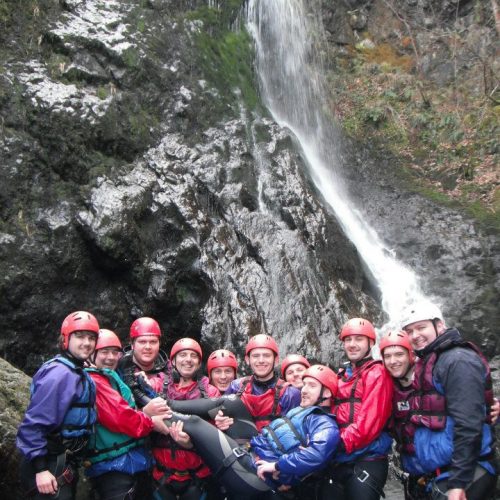
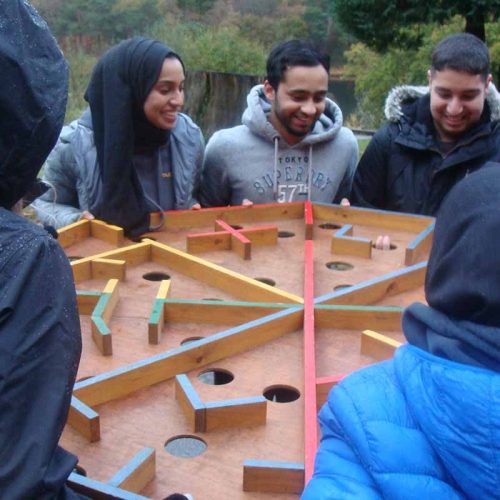
The student retention and welfare program is designed to accelerate the process of group bonding through a series of challenges, tasks and activities that will promote a safe and supportive team learning environment.
The student retention course was developed by Mr. Jon Hilton, a research psychologist with over fifteen years of experience in the training industry. Much of Jon’s work has been to investigate the effects of confidence and self-esteem building on the behavioural changes to individuals and their organisation, once the programme has been completed.
All facilitators working on the student retention and welfare courses have prior experience in personal development courses and received training and supervision from Jon. Continual feedback and observations are taken to ensure our high standards and positive outcomes are maintained.

Student Retention: Team Games
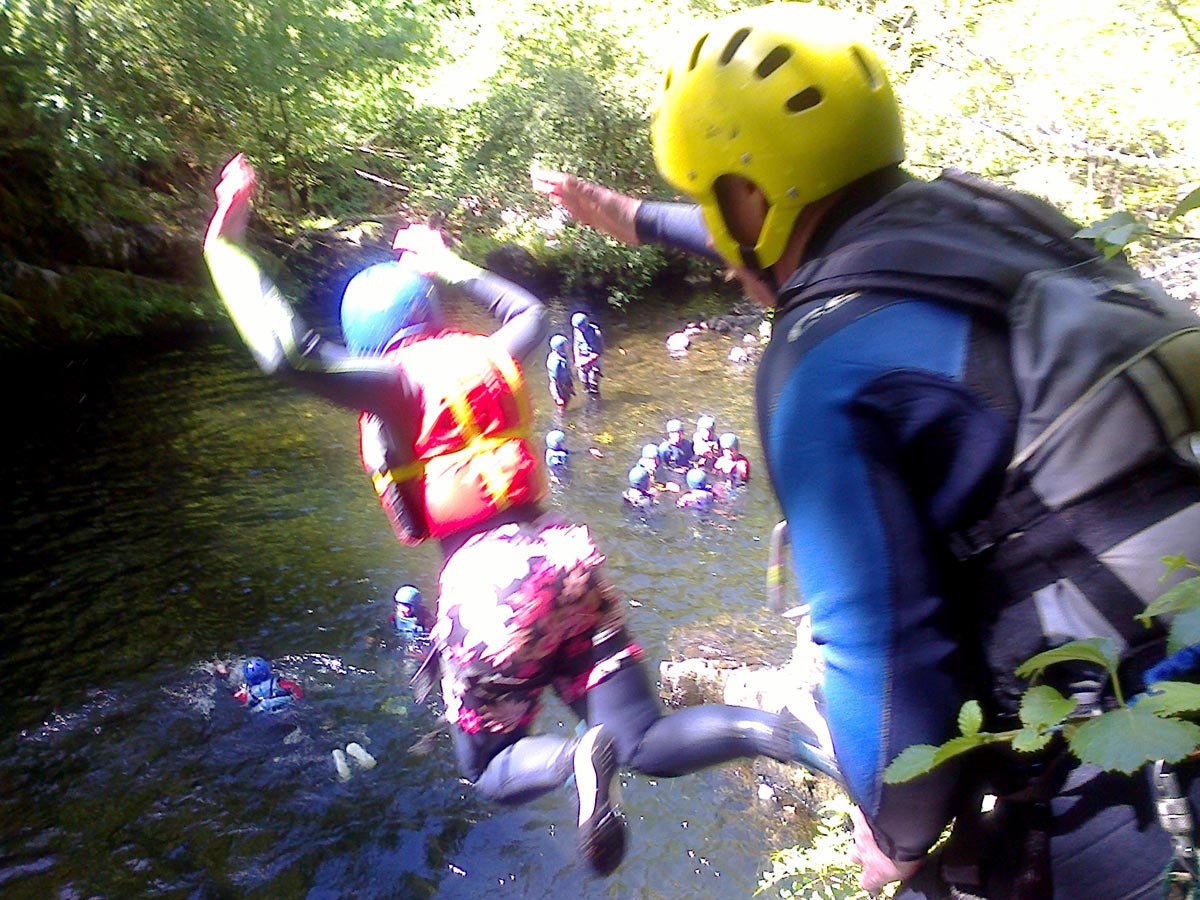
The student retention and welfare programme is a three day course. The first day starts with a series of “Ice breakers” and disclosure sessions that enable students to feel more comfortable within their peer groups and their educators more accessible. The following day we engage in a series of outdoor activities that are designed to support communication, the giving and receiving of support and development of confidence. The final morning is a group exercise where all of the students learning and new experiences come together to achieve a common task. This is followed by a final review before departure.
Student Wellbeing
It is recognised that flourishing at university is determined as much by students wellbeing as it is by their academic ability. If you feel healthy and content within yourself and your environment, then you are far more likely to perform to the best of your academic ability.
Promoting student wellbeing helps create a better overall experience for students, which ultimately benefits everyone. “If students are able to find support, advice and information and to develop coping skills for life, they are more likely to continue with and be successful in their academic studies, enjoy their student experience and contribute more positively to student life”.
As highlighted in the introduction, struggling with mental health and dropping out of university are closely connected. “Research from the US (especially a study conducted over several years by the University of Michigan) shows students reporting high levels of depression and anxiety are twice as likely to leave university without graduating than their counterparts. This translates into a very strong economic case for wellbeing support in addition to the social and human benefits,”

Student Retention: Team Games
But as well as keeping students happier and in university, promoting wellbeing can also help students to develop and improve concentration, motivation and energy levels, “all of which can be beneficial not only for personal wellbeing but also to studies. These strategies can be built on and used throughout life”.
Lecturers Feedback
Our student retention and welfare programmes have consistently achieved the benefits outlined in the above. Feedback from the university showed that a 60% improvement in retention following attendance on our student retention and welfare courses. Lectures have also reported students becoming more autonomous sooner in their academic career. Universities have subsequently included our retention course into a ‘Collaborative Working Module’.
Please Contact Us on the details below, if you would like more information, to discuss your options or check availability. All courses are specifically designed around you and your students needs.
Office: 01588 630123, Mobile: 07866 630123, E-Mail: office@proactive-adventure.com